


Loving Our Neighbour
One of the tough things about writing a weekly blog about faith and daily life is that you sometimes have to tackle subjects you know are very emotive and difficult.
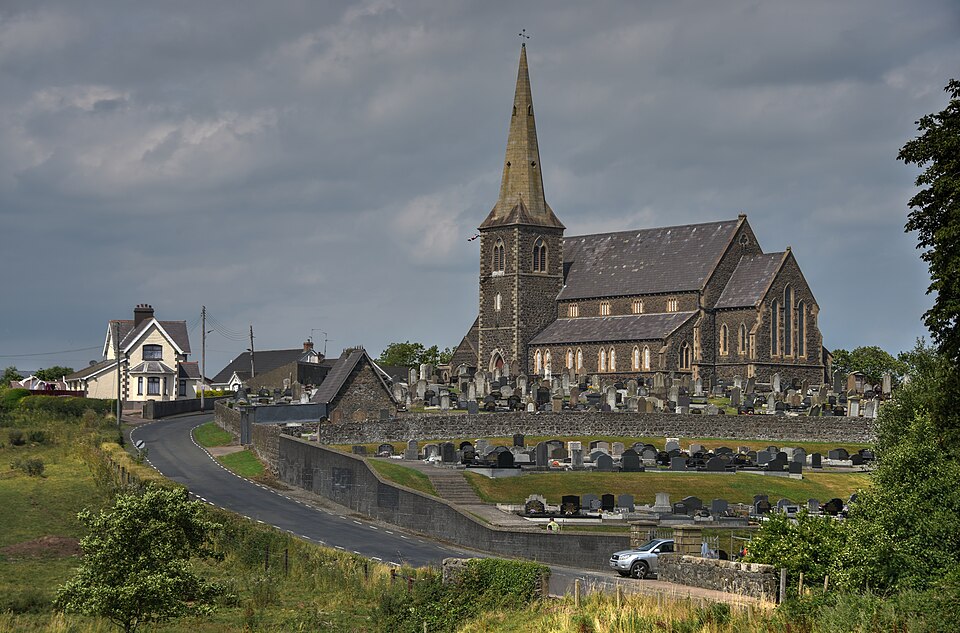
After the events of the past few days in Northern Ireland where I live and work, it’s hard to avoid the topic of Drumcree and the parade which has generated such controversy over many years. This tension has risen to the surface over the past few days following the decision of the Parades Commission to permit an Orange Order march through the largely Nationalist Garvaghy Road in Portadown.
I need to preface my thoughts with a few remarks to set some context. The first is that, although I have lived in Northern Ireland for 26 of the last 30 years, I am not of this place. I love it and its people, and I am privileged enough to call it my home, but I have not grown up as so many have under the shadow of the troubles and the death and destruction that wreaked unspeakable pain and suffering across so many communities over the past half century.
I don’t live in Portadown. I live in a community that, in terms of religious affiliation, is mixed and shared by people with a variety of political positions.
The Garvaghy Road, upon which so much attention has been focussed in recent days, is a largely Nationalist area and the decision to allow Orange parades to march down this stretch of road has been hotly disputed over many years.
Much violence has accompanied the dispute and, between 1996 and 1999, 21 people lost their lives to loyalist violence associated with this particular parade. It’s therefore highly contentious and much more nuanced and complex than a simple decision.
In terms of last Sunday’s parade, the Orange Order applied to return from a church service at Drumcree via the Garvaghy Road. The application, which had been refused 28 times, was appealed on a technicality and permission was granted to allow the march to happen. Residents appealed this decision saying the march was not welcome, and an injunction was put in place to say it couldn’t happen. This was taken to the high court which sat at 2.15am on Sunday morning and granted permission for a restricted march to take place with reduced numbers, no music and at 8am on Sunday morning.
Over 1000 people gathered to block the road and the police refused to allow the march to proceed, and a standoff took place. The police, in weighing up the situation, deemed that it would cause a serious threat to public safety and spark civil unrest if it forcibly removed the unlawful protest gathering. It was attended by many nationalist politicians, including the first minister of the Northern Ireland Assembly, Michelle O’Neill.
The facts, as I understand them, are that the legal determination to allow the march to proceed was granted in the early hours of Sunday morning. Hours before the march was due to happen up to 1000 protesters gathered, linking arms and blocking the road preventing the Orange Order from walking down the road. The police, throughout the day, tried to negotiate with residents and protestors, the Orange Order tried on a number of occasions to march down the road, and unionist politicians and supporters of the Orange Order feel outraged that, despite following the correct procedures and legal channels and being granted permission to march, they have not been allowed by the police to make this march.
The local residents and protestors have vivid memories of marches being forced down the road in the past, of sectarian violence which has led to the deaths of 21 people in that period 1996-1999 and cannot understand why, after 28 years of refusals, the parades commission would permit such an unwelcome march down their road, reopening old wounds and memories of triumphalism.
Politicians, on both sides, seem to use language that does nothing to deescalate tension but intensifies it instead.
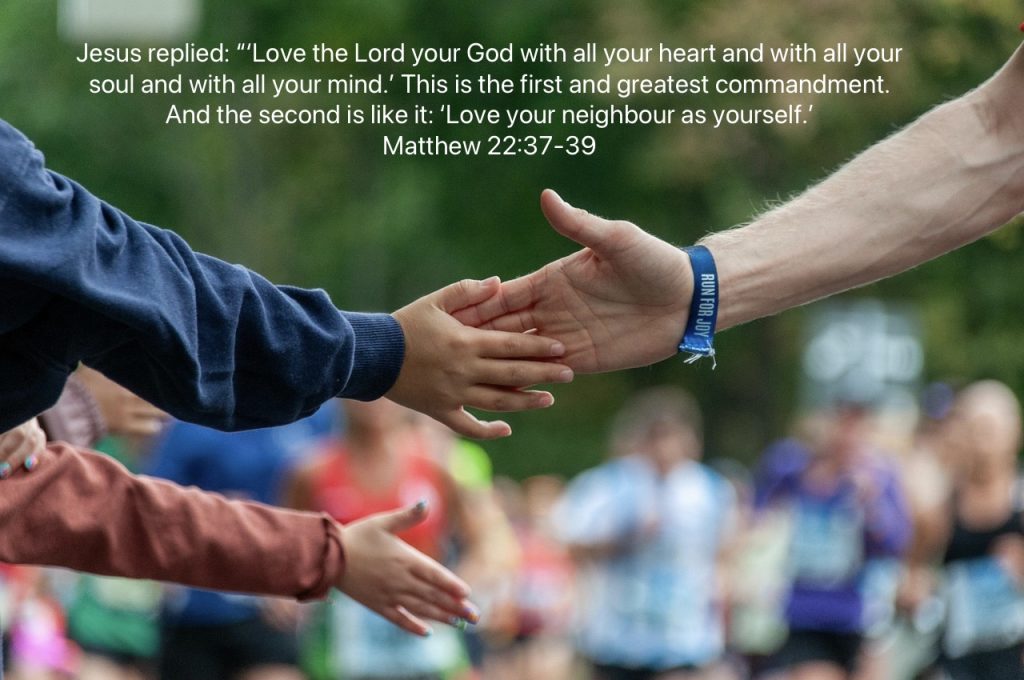
Over the past 6 months in church, we have been thinking about the concept of loving your neighbour and what that might look like in our community.
Over the summer, we distributed invitations in the local streets inviting our neighbours to come and share our church grounds in a series of summer picnics. There were games, opportunities for people to meet and chat and share picnics together and visit the church if one wanted a sacred space for prayer.
In September, we distributed more invitations and hosted a community fun day with attractions like a petting zoo, bouncy castles, barbecue, ice cream and a ukelele band. There was an opportunity for visitors to visit the church, to have a cup of tea, meet new people and receive information about different organisations and programmes that run here. I guess we are trying to say to the local community, you would be welcome here if you are not connected anywhere else and, if you are, please know that we would be delighted to welcome you to anything that might be of interest here.
So, as I have been discussing the events of recent days and praying about them with my colleague Ryan, we have wondered what might loving your neighbour look like in this tense standoff between residents and the Orange Order?
In terms of legal rights and determinations, I think the Orange Order have the permission to walk down this road that is associated with so much history and violence. Perhaps, having followed all the correct legal channels to obtain this right, loving your neighbour looks like realising you have this right and, simultaneously, realising that exercising this right would cause enormous hurt in the wake of the violence and history. It might look like choosing not to exercise the right, and to walk away from a route that you know will be unwelcome and provocative.
What might it look like from a Nationalist perspective? I think it might look like acknowledging that a legal determination has been made. You might profoundly disagree with that determination, and choose to let the march happen without assembling in large numbers and making it a very dangerous and difficult thing to police. From the perspective of political leadership, it might look like expressing your gratitude to those who you would normally see as your enemies for enabling something so contentious and difficult to disperse without either side losing face or dignity and for modelling what a new future might look like.
Not long after coming to this parish 17 years ago, I made a decision to start a contemporary service in the hall once a month. I remember on the first Sunday we held it, someone I respected enormously coming to me with tears in his eyes because we were choosing, in a bid to welcome newcomers, to leave our church building and go to the hall. When I explained my reasoning, and how some people find church buildings intimidating and offputting because of painful previous experiences, he still felt that church was the better option.
Nevertheless, he turned up the following month to welcome visitors and continued faithfully to do so until he could no longer come to church because of failing health. Even though he preferred traditional worship, he was prepared to forego his personal preferences for the good of the place. His selfless generosity of spirit and commitment to the good of this place continue to humble and inspire me long after his departure to his heavenly home.
Look forward to speaking again soon.
Much love to everyone,
Jono.
Listen to the latest episode of ‘Bitesize Chunks of Faith’