


Processing Sad News
Last Sunday at 6.30 am, Ciara Mageean died. She was 34 years old and just 3 weeks ago she married the love of her life, Tommy. This afternoon, she was laid to rest in her beloved Portaferry. Hundreds of people lined the street, thousands watched online, tributes came from international sports’ stars, commentators, politicians, presidents, and the many people who knew and loved her.
For those who love sport, many would have heard of her many achievements on the athletics track. She represented Ireland twice at the Olympic games in Rio and in Tokyo. She held Irish records at 800 metres, 1,000 metres, 1500 metres and the mile distance. She won Commonwealth silver and, memorably, a European Championship gold medal in Rome in 2024. In the form of her life, she devastatingly had to pull out of the Olympics in Paris in 2024 when a cruel achilles injury occurred on the week before the games.
She loved Portaferry, her home town, Gaelic games, especially , at which she excelled. She loved her family, her dog, Sam, and her friends.
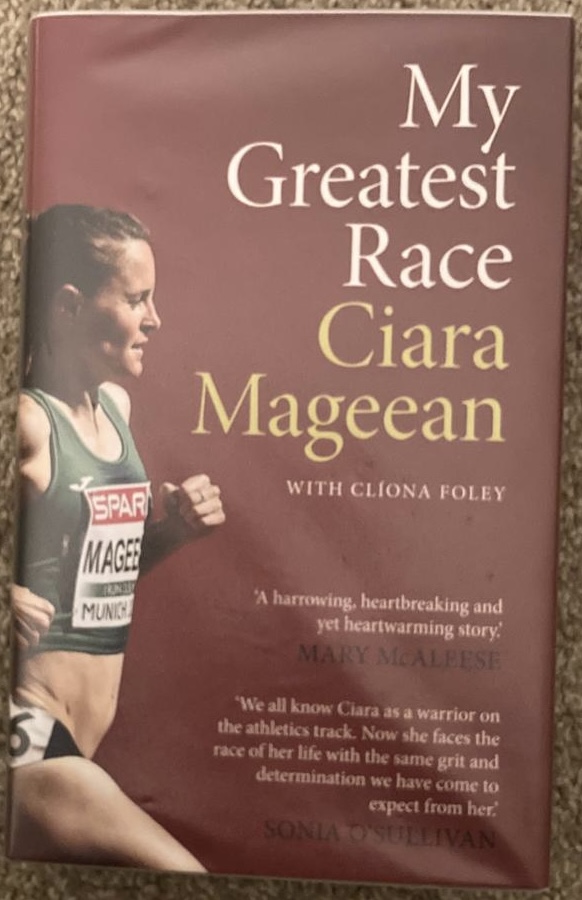
I never met her but, like so many people, I felt that I knew her. I finished her memoir, ‘My Greatest Race,’ just a couple of weeks ago. Sporting autobiographies are often bland ghostwritten affairs, but Ciara’s book was different. She didn’t shy away from the difficult stuff. She let the reader know how much she enjoyed living in a house full of athletes in Manchester. She spoke about the relentless training, the importance of her relationships with her coaches, and the difficulties that could occur as those relationships came to an end. She spoke about injuries and the nerves that made her physically sick before big races.
She spoke about altitude training, and family support, and the way her husband, Tommy, juggled his work and helped her to train and followed her around the world to training camps, races and medical appointments. She spoke of the devastating stage 4 bowel cancer diagnosis she received in May 2025, and all the gruelling treatment she received, and how sick it made her.
I heard her speak in interviews after some of her great achievements on the track, and she couldn’t contain her joy and pride in those big moments. She might have won awards and medals and been a big player on the world stage, but she never forgot she was from Portaferry, and wanted to go watch her friends play Camogie when she got home. She stayed in close contact with her school friends from Assumption Grammar in Ballynahinch, and remembered the ferry journeys across Strangford Lough and the bus run that was part of her school career.
I loved the stories I read online of how she used to hang out with the visually impaired and disabled athletes at training camps and sessions, and how down to earth she was. She made time for children battling cancer and their families. She once received a letter from a young girl who, along with her class, had been encouraged to write to the person she most admired in the world. Having expressed her admiration in the letter, and her desire to become a better runner, this young girl, a week later, received a beautiful handwritten letter from Ciara thanking her for writing. It included a running vest and a signed photo, and an encouragement to keep up her training.
Some months ago, I listened to an interview with Ciara and a comedian called Jarlath Regan. It was recorded at a big festival called the Electric Picnic, and she spoke about her career and diagnosis in such a real and authentic way; it was like she let you in to know her in a personal way. Her hope was that by sharing her story and how she was trying to live her life, it might help some people who were also going through tough things.
I heard about her death on Sunday around lunchtime. Just a couple of weeks ago, I had seen the beautiful wedding photos she shared. A guest at the wedding spoke of how ill she was, and yet she was determined to enjoy the day. As an athlete, she believed this was one of the greatest achievements Ciara had ever achieved. She went around spending time with each of her guests, her face radiant with the joy of marrying the love of her life. She was the first onto the dance floor and the last to leave, and made her way back to a hospice bed where she spent her last couple of weeks.
I heard of her death just hours before speaking at a special service of Thanksgiving and Remembrance in the church where I work. We were giving thanks for and remembering 27 people from our church family who had died in the previous year. They were, like Ciara, beautiful and cherished people of different ages who had touched and shaped our lives profoundly.
The news of this young woman’s death, who I had never met, shook me in a way that I wasn’t expecting.
Having finished her book, I thought I might reach out and invite her on my podcast. Although she didn’t know me, I suspect she would have said ‘yes’ and made the time and given of herself again to share her story. Sadly, her earthly journey ended before I issued the invitation.
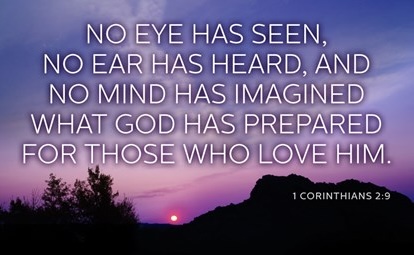
In that service of Thanksgiving and Remembrance I reflected on the different perspective Christians have on the taboo subject of death. It’s not that we don’t feel sad and a deep sense of loss when people of faith depart this life. We recognise the hope Jesus holds out that this life is not the end, and death marks a new beginning in His nearer presence. We also look forward to a day when we will be reunited with those who have gone before us in faith. May God’s Comfort surround this wonderful girl’s husband, parents, sisters and brother, and the global community of friends she made across the world of athletics, Gaelic games, and from all walks of life.
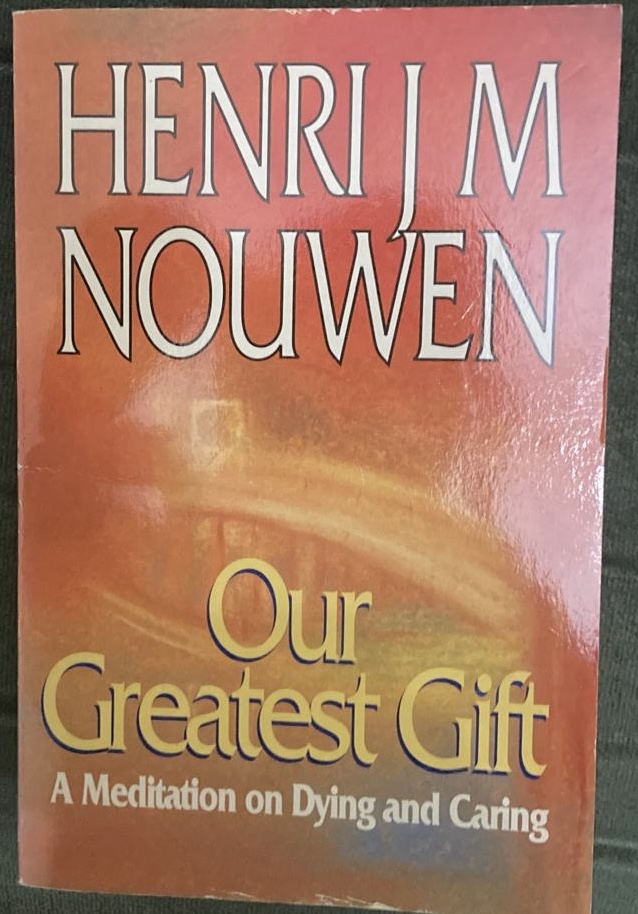
The renowned spiritual writer, Henri Nouwen, once wrote a beautiful little book about dying called ‘Our Greatest Gift.’ In it he shares how, when we die well, it is the greatest gift we can give to our families and those who love us.
Although I never met her, I think Ciara lived and died well.
Look forward to speaking again soon.
Much love to everyone,
Jono.
Listen to the latest episode of ‘Bitesize Chunks of Faith’