

Sharing Tough Stories
There’s a lot of difficult stuff knocking around in the news these days.
I know a lot of people who intentionally have tuned out. It seems like a daily avalanche of suffering and struggle and unpredictability.
We hear of displaced people in the Middle East, of refugees trying to make dangerous journeys with unscrupulous people to land on European shores in the interests of securing a better future. We read of rising prices and food shortages, and places we had never heard about before like the straits of Hermuz, which seem to play such a strategic role in global economies and trade.
What does the church do with information like this? How should the followers of Jesus in our day respond and react?
The first thing to say, is that these are hard stories to hear. When we hear of residential dwellings being flattened in war zones and multiple casualties, these are families like yours and like mine. They want nothing more than to live in peace, to do their work and provide for their families. They want to give their families the best opportunities they can for education and a brighter future. So often it seems that people are in the wrong place at the wrong time and have no alternatives at that moment. It seems like such a tragic waste of life and destruction, of any real hope and possibilities for the future.
I’m not a great man for committees. I see the need for them, but I don’t often feel I have much to contribute to them that others have not thought of before me. In that sense, I don’t think I’m a great strategist, or creative thinker, or mobiliser of people.
I have served on one church committee for quite a few years now called, the Bishop’s’ Appeal. It’s the collective response of church of Ireland parishes across the island to issues of global poverty and suffering. As funds are raised annually, these are disbursed to partner agencies working on the ground in some of the most difficult and challenging situations across the globe. They might be working in areas of conflict, where there is drought or food shortage. They might be seeking to empower people with skills or knowledge in terms of agricultural techniques, or to set up savings cooperatives to benefit local communities to become self supporting. As the committee meet 5 times a year to consider applications for funding projects with the limited funds available to us, it’s good to have built up a long term set of relationships with these agencies that have a proven track record in those areas.

One such partner is Tearfund and, last week, I attended a lunch at which the director of operations for the Middle East, Safa Hijazeen, spoke powerfully about the current situation. He had a way of sharing tough stories that maybe helped to inform how we pray for what’s going on there, and to demonstrate the difference people’s gifts and prayers can make.
He spoke of the spin off effect of global conflicts, and how they impact on other parts of the world that have nothing to do with those conflicts. The example he gave was how 20 percent of the world’s oil and cargo passes through the Straits of Hermuz, which is currently blockaded because of the conflict between the United States and Iran . It makes it extremely difficult and dangerous for ships to pass along that route with vital cargo for the global economy. As a result, it means it now costs more than double what it did a couple of months ago to ship emergency aid to countries like Chad and Niger in Africa, where many millions of people are starving because aid has to go other routes, and the costs have greatly increased.
He spoke about the uncertainty of life in war zones and throughout the Middle East at present. Very often, families have to make the decision to leave their home in less than 40 minutes and take to the road with whatever they can carry on their back. Life, in that sense, has become a matter of daily survival. It’s impossible for people to think beyond where they are going to sleep that night, or where their next meal might come from. If we live in peaceful parts of the world, it’s hard to countenance what this must feel like, and the unimaginable pressure and sense of despair so many families are feeling. They cannot plan for the future when all their energies are taken up by surviving from day to day. As logistics and transport are so difficult, the demand for aid is overwhelming, and neighbours and friends are all competing for a small share of the same resource in order to survive.
He described how, so often, churches are the primary source of hope. When displaced people arrive in an area, it’s often the local church who offers somewhere to stay, to pitch a tent and to distribute food and blankets and emergency medicines. Very often it’s those funds received from parishes in Ireland that are distributed to those arriving in desperate need, and these funds are then spent in the local economy.
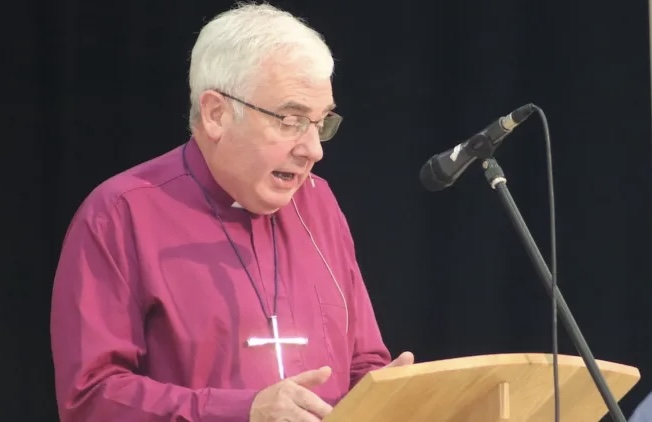
Recently, during the season of Lent, the agency, Fields of Life, which works to provide schools, teacher training and clean water across East Africa, shared some stories of need in video messages that were shared in this diocese. Bishop David helped to articulate some of these tough stories and share how relatively small amounts can make a huge difference. He spoke of the situation of Maridi diocese in South Sudan, and it has prompted our own church crafting group to host a coffee morning and small craft fair on Saturday 13th June at 10.30am.
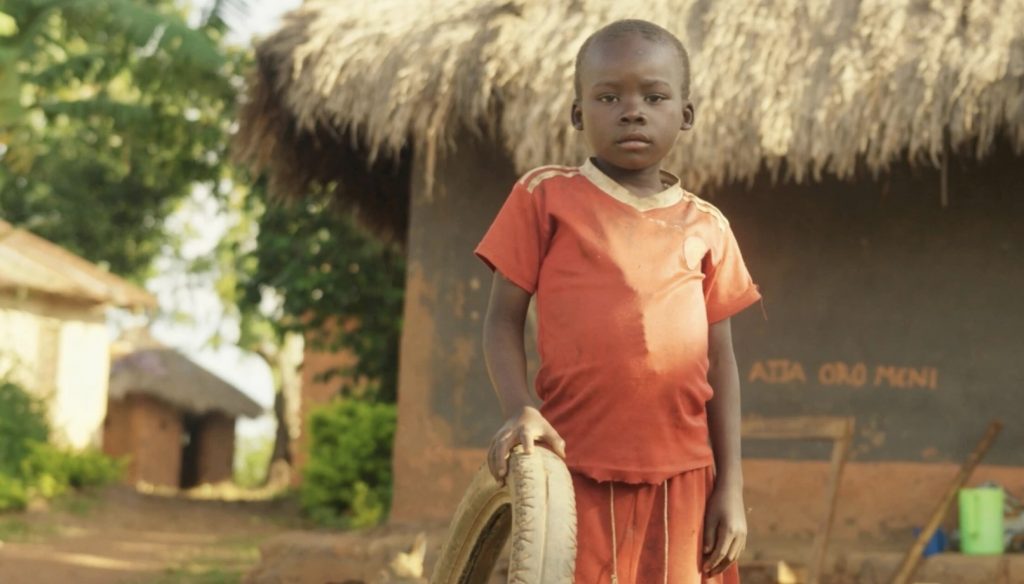
We might prefer not to hear such tough stories, but the Church has a responsibility to work together to see what we can do to support those who have so much less than we do. Perhaps we can pray into those situations affecting so many people globally, that have not been started by themselves but have had such devastating consequences across so many parts of the world. What small action can we take to be instruments of hope?
Much love to everyone,
Jono.
Listen to the latest episode of ‘Bitesize Chunks of Faith’